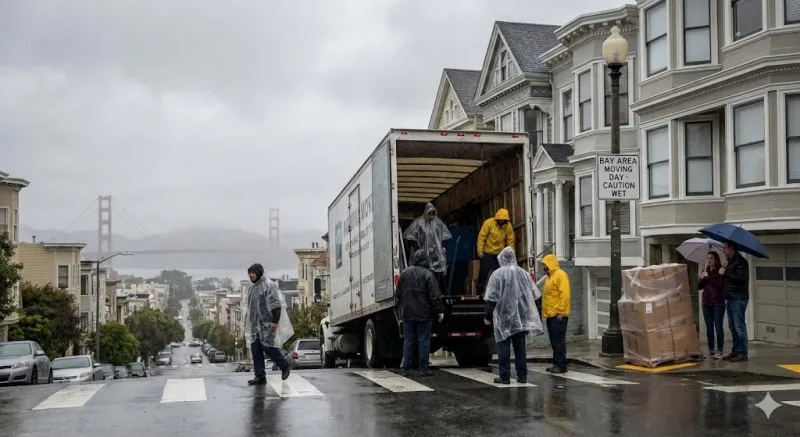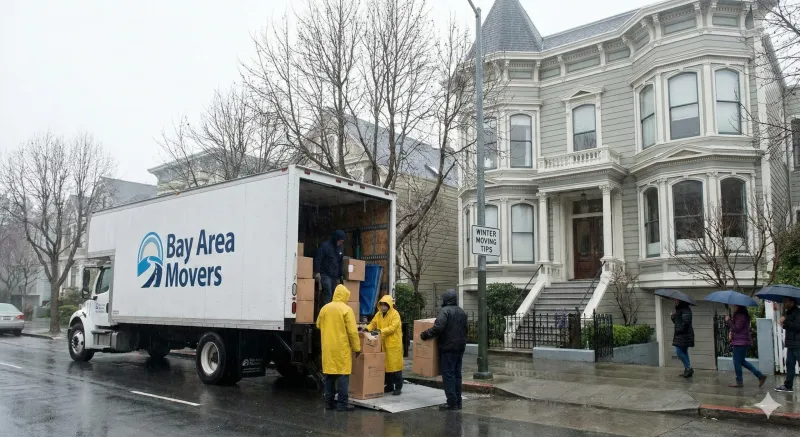
Moving combines emotional complexity with logistical challenges. While goodbyes feel difficult, the opportunity to start fresh in a new location offers exciting possibilities. However, the tasks and expenses associated with relocation can quickly become overwhelming. This guide provides practical strategies to navigate the moving process successfully.
9 Tips for Seamless Moving
1. Start Planning Early
Failing to plan is planning to fail, and delaying planning reduces effectiveness significantly. Begin developing a moving strategy immediately after identifying your new residence.
Early planning distributes responsibilities across time, reducing stress and burden. It allows sufficient time for critical tasks that rush planning often overlooks: obtaining moving permits, arranging parking authorization, notifying utility companies, and updating addresses.
2. Establish an Estimated Moving Cost
Create a realistic budget covering:
- Permits and packing fees
- Transportation and vehicle servicing
- Insurance for belongings in transit
- Temporary accommodation
- Packing materials
- Storage services
Professional moving companies typically offer transparent pricing and online calculators for cost estimation. Five key factors influence moving expenses:
Number of Rooms Room count helps movers approximate belongings weight and determine necessary transportation pods, labor hours, and services required.
Time of Move Seasonal timing significantly impacts costs. Holiday season moves cost more due to reduced staffing and increased demand. Winter relocations also increase expenses because of weather-related risks.
Distance of The Move Movers charge per mile or hourly rates. Longer distances require additional fuel, involve higher risks, and consume more time, directly increasing expenses.
Insurance Insurance options range from partial to comprehensive coverage. Comprehensive policies compensate for accidents, theft, damage, delays, errors, and worker injuries during relocation.
Additional Moving Services Packing and unpacking services incur extra charges, typically hourly-based. Delicate or expensive items requiring specialized handling also increase costs.
3. Find a Moving Company
Selecting the best mover requires thorough research beyond initial search results. Review platforms like Yelp and Google Reviews to identify candidates.
Verify certifications and licensing on company websites. Assess insurance availability through testimonials and reviews. Compare service offerings and pricing structures. Request detailed quotes and confirm there are no hidden charges before making payment commitments.
4. Make a Checklist
Organization proves essential for reducing relocation stress. Create detailed outlines including:
- Moving date and time
- Timeline for all tasks
- Required materials (boxes, tape, markers, bubble wrap)
- Complete inventory of items
- Packing plan (beginning with least-used items)
- Task breakdown with realistic timelines
This checklist serves dual purposes: organization during the move and documentation for insurance claims.
5. Declutter Your Home
Relocation provides ideal opportunity to eliminate unnecessary possessions. Streamlining belongings offers multiple benefits:
- Host yard sales to generate moving funds
- Donate remaining items to communities
- Store temporarily usable items if space constraints exist in new homes
- Reduce transportation costs by decreasing weight and number of pods needed
6. Establish a Packing Strategy
Strategic packing prevents disaster during transit. Organize by room, starting with rarely-used spaces:
- Books, magazines, and media
- Out-of-season clothing and decorations
- Extra bedding and towels
- Non-essential kitchen items
Pack frequently-used items closer to moving day: dishes, electronics, valuables, cleaning supplies, and important documents. Prepare one essential box containing clothing changes, medications, toiletries, pajamas, and phone chargers.
Label every box and maintain accurate inventory lists.
7. Take Extra Care of Your Fragile Items
Protect delicate items with bubble wrap and styrofoam coverings. Wrap fine china with newspaper before placing in boxes layered with protective material. Label boxes conspicuously as “FRAGILE” for careful handling throughout loading, unloading, and transport.
8. Change Your Mailing Address
Update mailing addresses to ensure receipt of important correspondence including bills, taxes, bank statements, legal notices, and personal mail. Address changes prevent service disruption and protect against identity theft by ensuring sensitive personal information reaches correct destinations promptly.
9. Notify Utility Companies
Contact utility providers about moving dates. This scheduling allows service activation at new addresses and ensures accurate final billing and meter readings, preventing service interruption.